Explore the annals of time as we trace the evolution of leather from its primitive uses to becoming a symbol of status and style. Uncover the cultural significance that has made leather an integral part of human history.
Ancient Origins: Prehistoric Practicality (Before 2200 BCE)
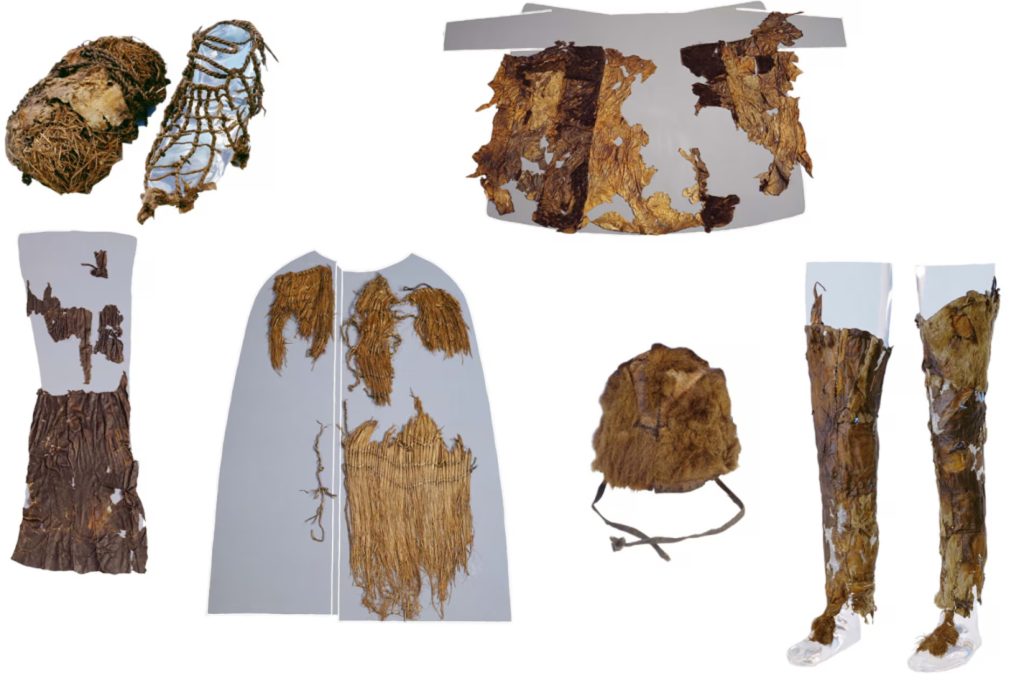
Sourced from https://www.theguardian.com/science/2016/aug/18/it-becometh-the-iceman-otzi-clothing-study-reveals-stylish-secrets-of-leather-loving-ancient
Leather’s tale begins in prehistoric times when our ancestors discovered the remarkable utility of animal hides. Initially used for basic clothing and shelter, leather demonstrated its durability and adaptability.
Mesopotamian Mastery: 2200 BCE - 500 BCE
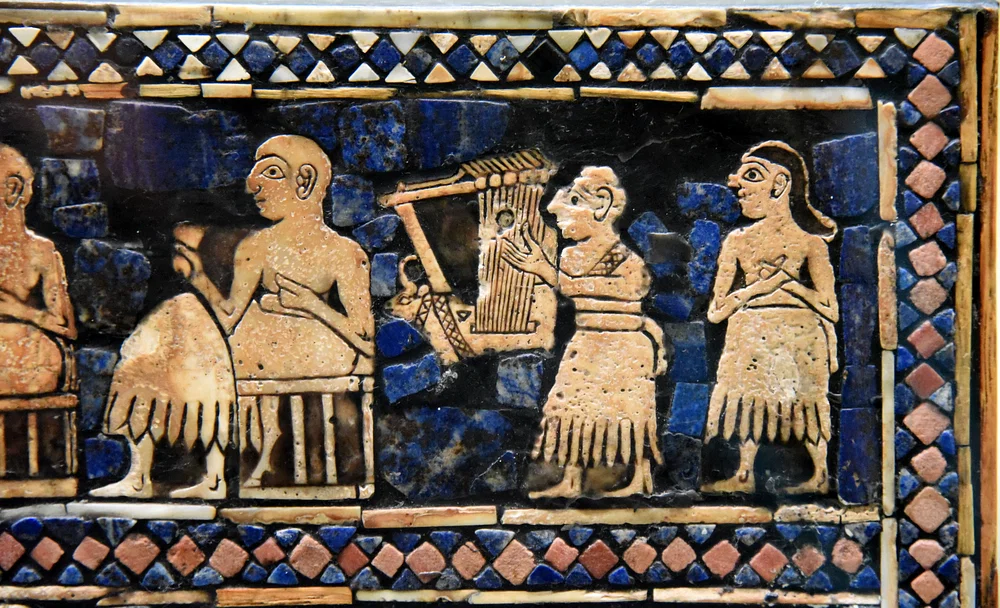
Sourced from https://www.worldhistory.org/article/2198/fashion--dress-in-ancient-mesopotamia/
Civilizations in Mesopotamia refined leatherworking techniques, introducing the art of tanning. Leather became synonymous with wealth and status, adorned by the elite and utilized for intricate goods.
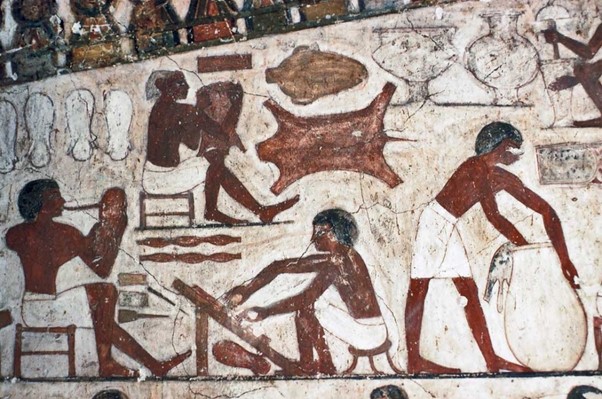
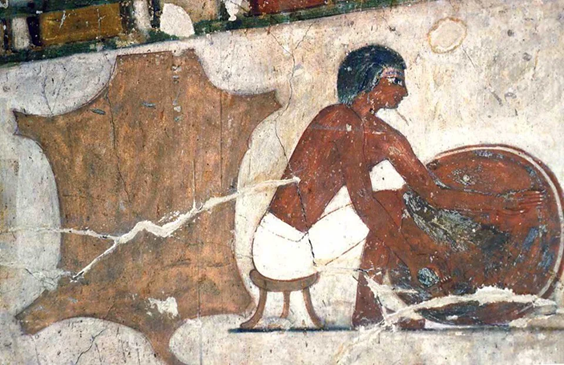
Sourced from https://www.reddit.com/r/Cowofgold_Essays/comments/uzrdxw/leather_in_ancient_egypt/
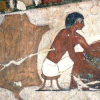
In ancient Egypt, leather transcended practicality, adorning pharaohs in opulent garments and symbolizing divine protection. The Egyptians pioneered tanning methods, propelling leather into the realm of craftsmanship.
Greece & Rome: 800 BCE - 476 CE
https://www.anyrgb.com/en-clipart-nseik
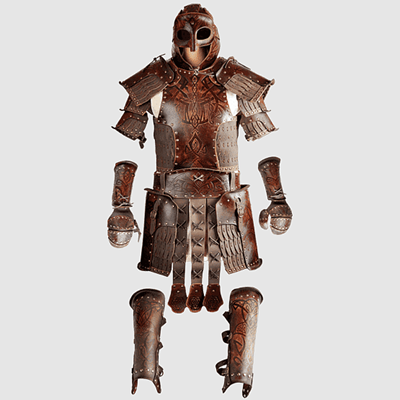
Leather gained prominence in Greece and Rome as armour for soldiers and luxurious attire for the elite. The famed Lorica Segmentata, a Roman leather armour, exemplified the material’s durability.
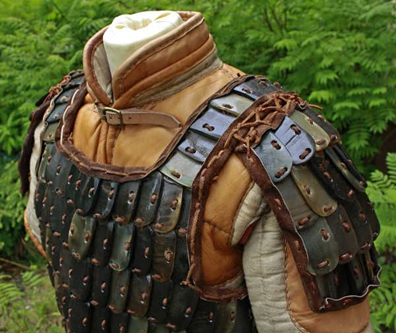
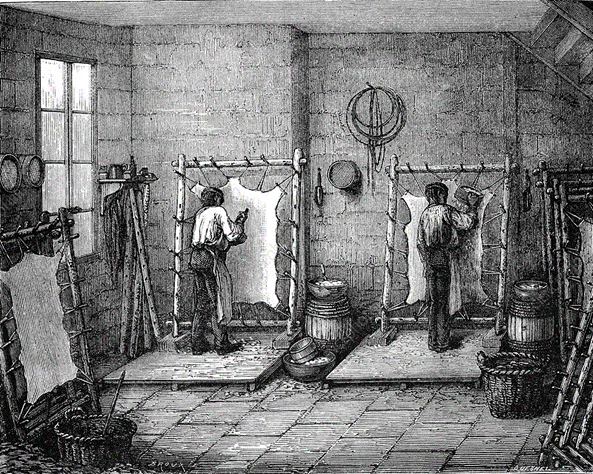
During the Middle Ages, leather thrived as an essential material for garments, footwear, and armour. Guilds specializing in leathercraft emerged, refining techniques and establishing trade routes.
Renaissance Revival: 14th - 17th Century
https://www.pinterest.com/pin/552465079263645328/
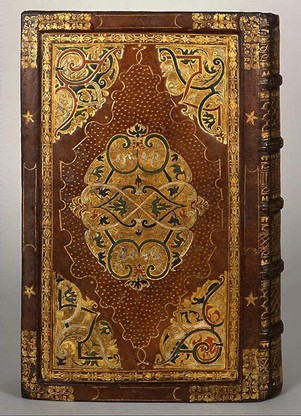
The Renaissance witnessed a resurgence of interest in classical aesthetics, leading to the creation of intricately designed leather goods. Leatherwork became an art form, showcased in ornate book bindings and accessories.
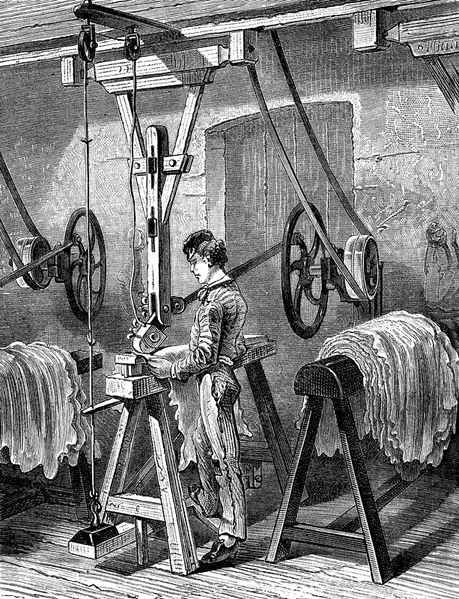
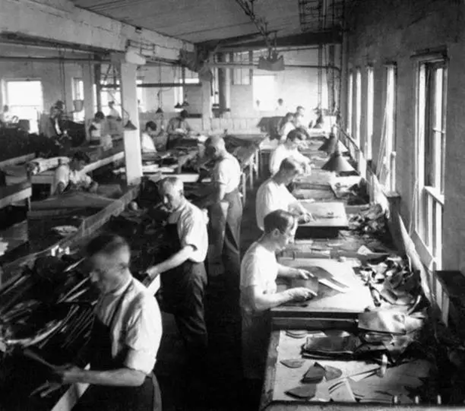
With the advent of machinery, leather production scaled unprecedented heights. Tanneries proliferated, meeting the demands of a rapidly industrializing world. Leather goods became accessible to a broader audience.
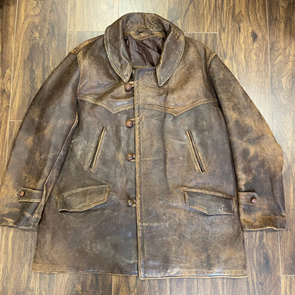
Leather evolved with fashion trends, symbolizing rebellion in the 1950s with the iconic leather jacket. The latter half of the century saw innovations like synthetic leather and a growing emphasis on sustainable practices.
21st Century & Beyond: 2000s - Present
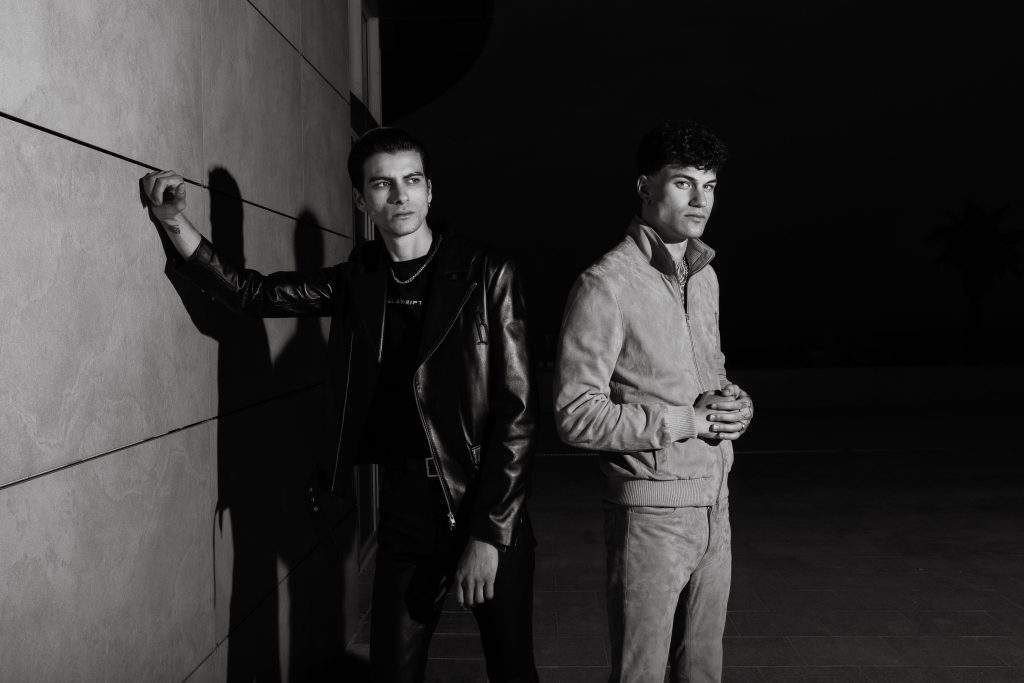
Today, leather continues to captivate fashion, design, and sustainability enthusiasts. With an increased focus on eco-friendly practices, ethical sourcing, and innovative technologies, the timeless allure of leather persists.